What Happens in Therapy
Therapy begins with assessment. I use a wide range of formal assessment tools alongside informal assessment techniques. This allows assessment to be tailored to each child, giving a clear and individual understanding of their speech and language profile.
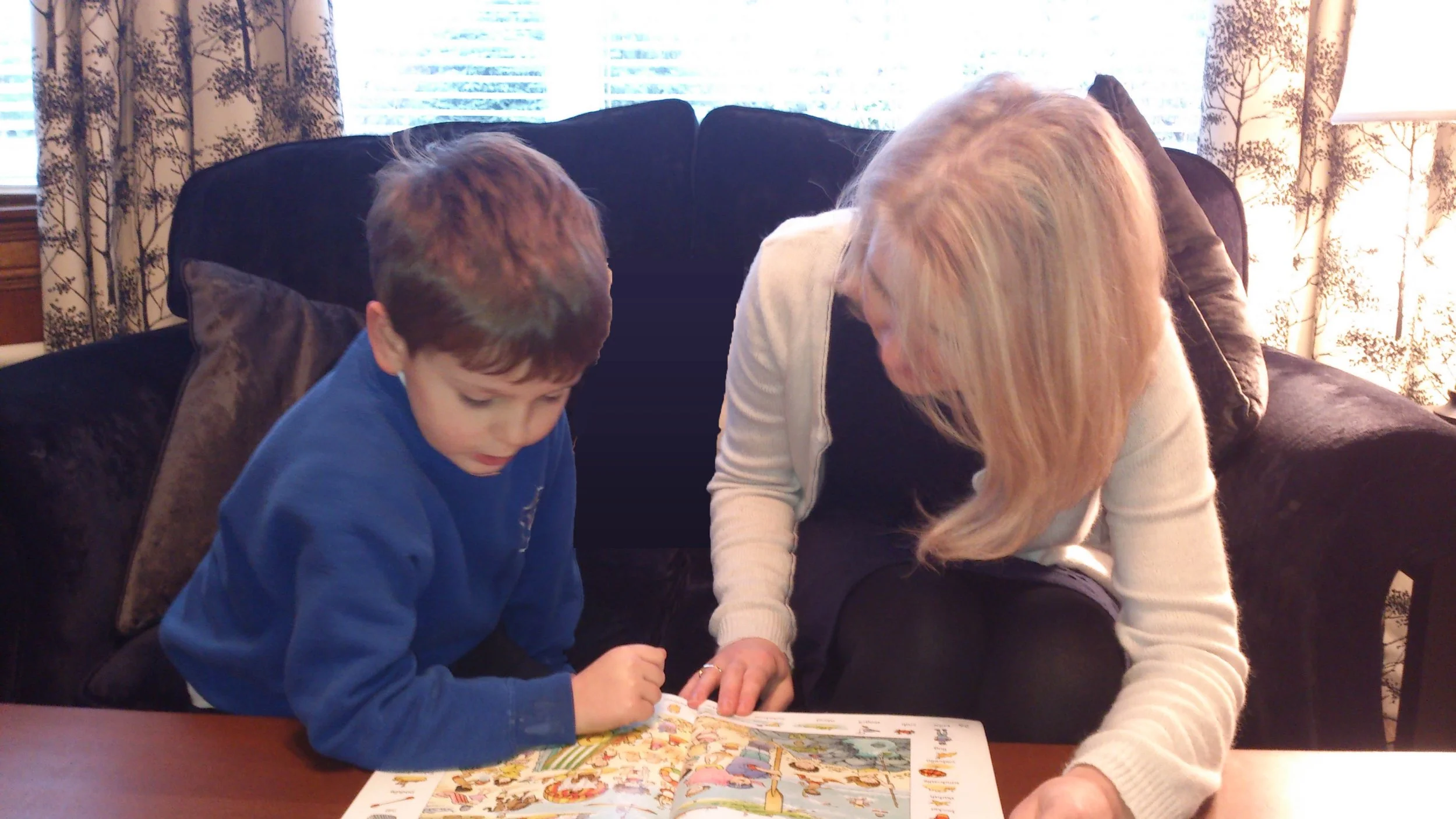
Therapy sessions are responsive and child-centred, with activities selected to support a child’s speech, language, and communication goals in a way that feels motivating and achievable. Games and tasks are used thoughtfully to help children feel comfortable, engaged, and ready to learn, allowing therapy to progress at a pace and style that enables each child to work to the best of their abilities.
A wide and varied range of activities is used across sessions, helping therapy remain engaging and interesting over time. Different games and structured tasks naturally support the development of vocabulary, sound awareness, problem-solving skills, and social interaction, alongside targeted speech and language work.
Therapy also draws on an extensive collection of specialist speech and language therapy and literacy games and resources, introduced as and when they are most appropriate. These include materials selected to support specific goals in areas such as articulation, grammatical development, and early literacy.